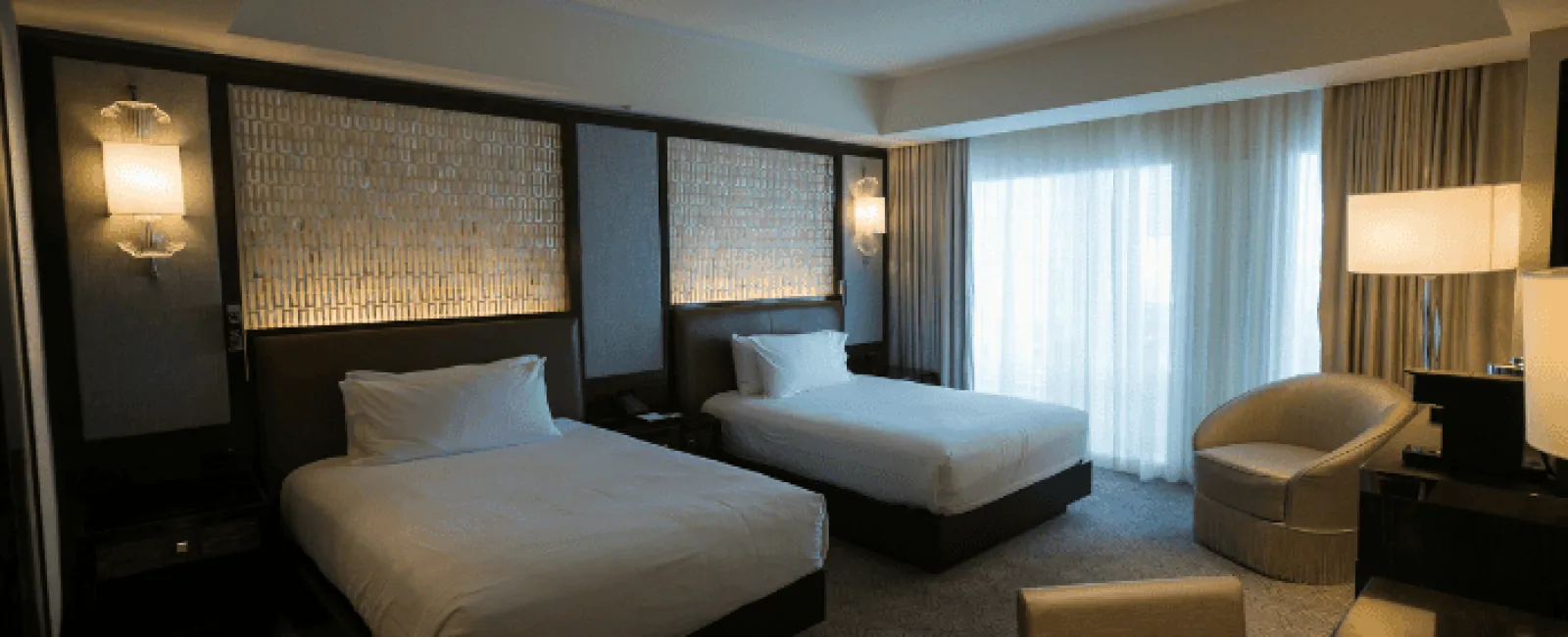
FF&E stands for Furniture, Fixtures, and Equipment and refers to movable items in a commercial building that are not permanently attached to the structure. In hotel construction and restaurant build-outs, FF&E includes everything from guest room beds and lobby seating to kitchen equipment and lighting fixtures. FF&E typically represents 15% to 30% of a total commercial project budget, and how it is planned, procured, and installed directly affects whether a property opens on time and on budget.
What FF&E Means in Commercial Construction
The simplest way to think about FF&E in construction is this: if you could pick up a finished building, flip it upside down, and shake it, everything that falls out is FF&E. The walls, floors, plumbing, electrical systems, and ductwork stay put. The furniture, light fixtures, appliances, and equipment fall out.
That distinction matters because FF&E and the built structure follow different procurement paths, different budgets, and often different timelines. On a hotel project, the general contractor is building the shell and interior finishes, while the FF&E purchasing agent is sourcing furniture and equipment from manufacturers worldwide. These two tracks have to converge at exactly the right moment during installation, and when they don't, opening dates slip.
In a commercial construction context, FF&E is typically broken into three categories. Furniture covers the movable pieces that guests, employees, or customers interact with daily. In a hotel, that means beds, nightstands, desks, chairs, lobby sofas, and dining tables. In a restaurant, it includes dining chairs, booths, bar stools, and host stands. Fixtures are items that attach to the building in a semi-permanent way but don't require major demolition to remove. Wall-mounted lighting, bathroom mirrors, decorative sconces, and towel bars all fall into this category. Equipment refers to the appliances, electronics, and specialized tools a space needs to operate. Hotel rooms need televisions, mini-fridges, safes, and coffee makers. Restaurant kitchens need commercial ovens, refrigeration units, hood systems, and point-of-sale terminals.
FF&E vs. OS&E: What's the Difference?
One of the most common points of confusion in hospitality construction is the difference between FF&E and OS&E. OS&E stands for Operating Supplies and Equipment, and it covers the consumable and regularly replenished items a property needs to function. Think bed linens, towels, glassware, dishes, cleaning supplies, staff uniforms, and small kitchen utensils.
The practical difference comes down to lifespan and replacement cycles. FF&E items are capital expenditures with multi-year useful lives. A hotel guest room furniture package might last seven to ten years before a property improvement plan calls for replacement. OS&E items are operational expenses that get consumed, worn out, and reordered regularly. This distinction affects how each category is budgeted, procured, and accounted for on a commercial project.
How FF&E Fits Into the Construction Timeline
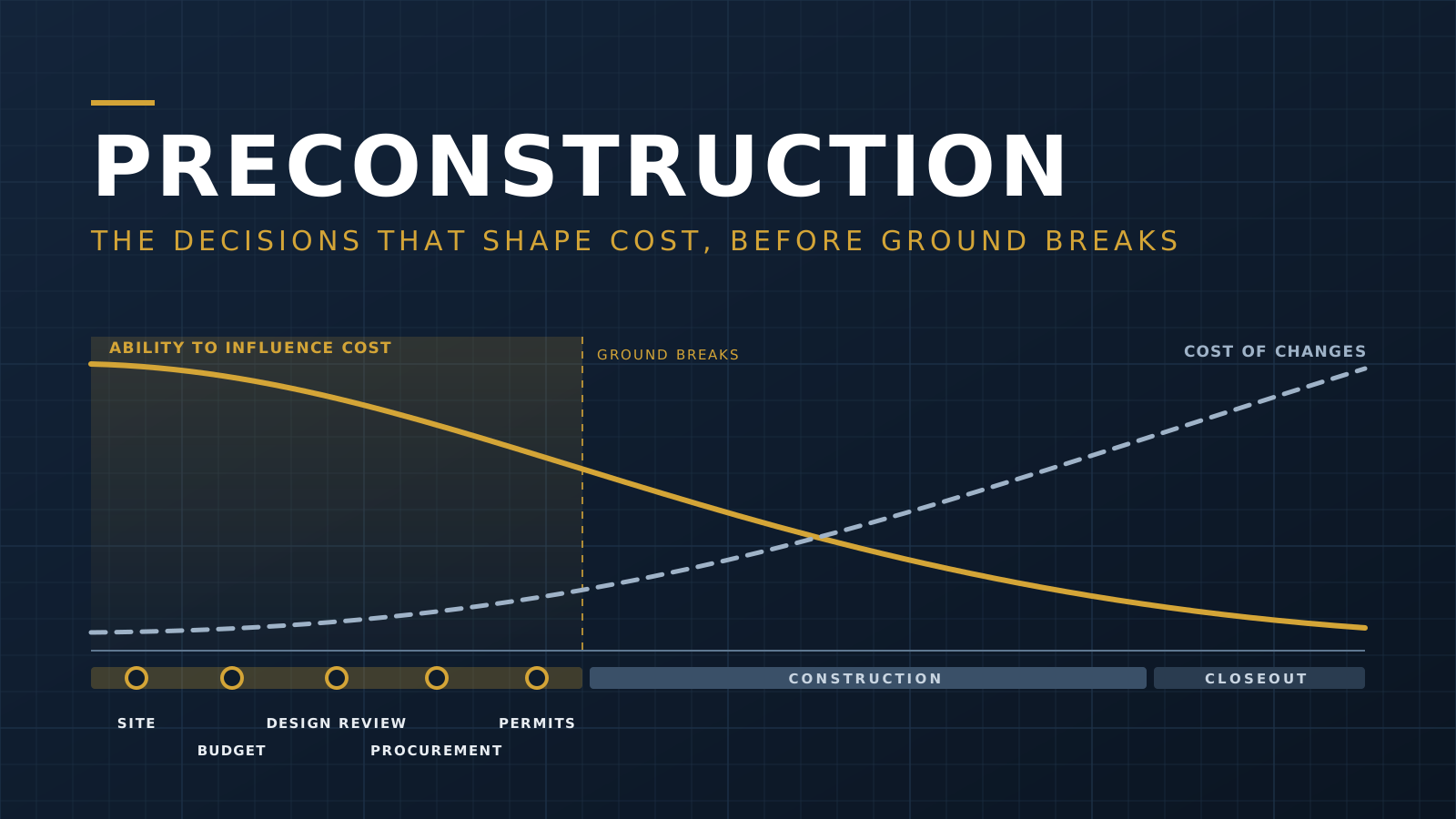
On a commercial construction project, FF&E planning needs to start during preconstruction, not after the building is framed. This is one of the most common mistakes project owners make: treating FF&E as an afterthought and then scrambling when lead times don't align with the construction schedule.
Custom furniture, specialized lighting, and commercial kitchen equipment can have manufacturing lead times of 12 to 20 weeks, sometimes longer for imported items. If a hotel project has an 18-month construction timeline, FF&E selections and purchase orders need to be finalized well before the midpoint of construction. Waiting until the drywall is up to start sourcing furniture puts the entire opening date at risk.
The installation sequence also matters. FF&E installation happens in the final phase of a construction project, after painting, flooring, and finish work are complete, but before the owner takes occupancy. On a hotel project, this typically means a floor-by-floor rollout, with furniture teams following directly behind the finishing trades. Coordination between the general contractor and the FF&E installer is critical during this phase because construction dust, wet paint, or unfinished flooring can damage expensive furnishings.
For restaurant projects, the timeline is even tighter. Commercial kitchen equipment often requires dedicated electrical circuits, gas lines, and ventilation connections, which the general contractor installs during the rough-in. If the equipment specifications change late in the process, it can trigger costly rework of the mechanical and electrical systems already in the walls.
FF&E and Franchise Brand Standards
Franchise construction adds another layer of complexity to FF&E planning. National brands such as Hilton, Marriott, Arby's, Dunkin', and Five Guys maintain detailed brand standards documents that specify which FF&E items are approved for use in their properties. These documents often dictate furniture manufacturers, finish colors, fixture styles, and even the placement of specific items within a space.
For franchise owners, this means FF&E is not entirely a matter of personal preference. The brand dictates the approved products, and the construction team needs to ensure the building's infrastructure supports those specific items. A restaurant franchise prototype might call for a particular hood system that requires a specific ceiling height, or a hotel brand standard might specify a bathroom fixture package that needs non-standard plumbing rough-in dimensions.
Working with a general contractor who understands franchise brand standards helps avoid conflicts between the FF&E package and the built environment. When the construction team reviews FF&E specifications during preconstruction, they can identify potential coordination issues before they become expensive change orders during the build.
Budgeting for FF&E on Commercial Projects
FF&E budgeting on a commercial project is separate from the construction hard costs, and project owners need to plan for both. A common budgeting framework for hotel construction allocates roughly $15,000 to $30,000 per key for FF&E on a select-service property. However, that number varies significantly by brand tier, market positioning, and whether the project is new construction or a renovation.
Restaurant FF&E budgets are driven heavily by the kitchen equipment package, which can account for 40% to 60% of the total FF&E spend in a quick-service or fast-casual build-out. Commercial-grade refrigeration, cooking equipment, ventilation systems, and prep stations are significant capital investments.
Value engineering plays an important role in FF&E budgeting. An experienced general contractor can help identify opportunities to reduce costs without sacrificing quality or brand compliance. This might mean recommending alternative materials that meet the same durability and aesthetic standards, consolidating equipment orders to leverage volume pricing, or adjusting the installation sequence to reduce labor costs.
OFCI vs. OFOI: Who Supplies and Installs FF&E?
Commercial FF&E procurement typically falls into two categories that determine who is responsible for purchasing and installing each item.
OFCI, or Owner-Furnished Contractor-Installed, covers items that the property owner or their purchasing agent sources and ships to the site, with the general contractor's team installing them. This commonly includes wallcovering, carpet, hardwired decorative lighting, and bathroom fixtures. These items require skilled tradespeople and coordination with the construction schedule to be installed properly.
OFOI, or Owner-Furnished Owner-Installed, covers items that the owner both purchases and installs independently of the general contractor. Loose furniture, artwork, decorative accessories, portable lamps, and window treatments typically fall into this category. These items arrive after the general contractor has substantially completed the space and are placed by the owner's FF&E installation team.
Understanding the OFCI and OFOI split is important because it defines the handoff points between the construction team and the FF&E team. Miscommunication about who is responsible for what can lead to schedule gaps, items sitting in storage longer than planned, or installation conflicts that delay occupancy.
Common FF&E Mistakes That Delay Commercial Projects
After managing hundreds of commercial construction projects across the hospitality and restaurant sectors, a few FF&E-related mistakes recur.
Starting FF&E procurement too late is the most frequent issue. Long manufacturing lead times and international shipping schedules do not compress just because the construction timeline is aggressive. Early procurement planning during preconstruction is the single most effective way to protect the project schedule.
Underestimating storage and staging needs also creates problems. FF&E items that arrive before the building is ready for installation need climate-controlled storage, and that storage costs money. Coordinating delivery windows with construction milestones keeps storage costs down and reduces the risk of damage from handling items multiple times.
Failing to coordinate FF&E specifications with the building's infrastructure causes rework. Electrical capacity, plumbing rough-in locations, structural support for heavy equipment, and ventilation requirements must align with the specific FF&E items being installed. Reviewing FF&E specs alongside construction documents during preconstruction catches these conflicts early, when they are inexpensive to resolve.
Why FF&E Coordination Matters for Your Next Project
FF&E is not just a purchasing decision. It is a construction coordination challenge that directly affects your project's timeline, budget, and readiness for opening day. The most successful commercial projects treat FF&E as an integrated part of the construction process from day one, not as a separate workstream that gets bolted on at the end.
Working with a general contractor who understands how FF&E procurement, delivery, and installation intersect with the construction schedule helps ensure that every piece of furniture, every fixture, and every piece of equipment arrives at the right place, at the right time, ready for a successful opening.