Restaurant construction is the process of taking a site from raw land to a fully operational food service facility — kitchen, dining room, drive-through lane, and everything in between. For franchise developers and QSR operators, it's one of the most technically demanding builds in commercial construction. You're coordinating a high-load MEP system, brand-mandated prototype standards, multi-agency permitting, and a hard opening date at the same time. Miss any one of them and you're paying for delays you can't recover.
Here's what the process actually looks like.
Why QSR Construction Is More Complex Than It Looks
A quick-service restaurant isn't a retail shell with a kitchen dropped in. It's an industrial food production facility compressed into 1,500 to 3,500 square feet. A single commercial hood system can require 10,000 to 15,000 CFM of exhaust. Electrical service runs 600 to 800 amps. That utility density — packed into a small footprint with a customer-facing interior — is what separates restaurant and hospitality construction from standard commercial work.
Franchise operators add another layer. Brands like Dunkin', Arby's, and Five Guys require construction to match an approved prototype exactly. Deviations require formal variances that cost weeks. And the schedule pressure is real: a restaurant that opens 60 days late loses two months of revenue without losing a single day of fixed costs.
Pre-Construction: Where Projects Win or Lose
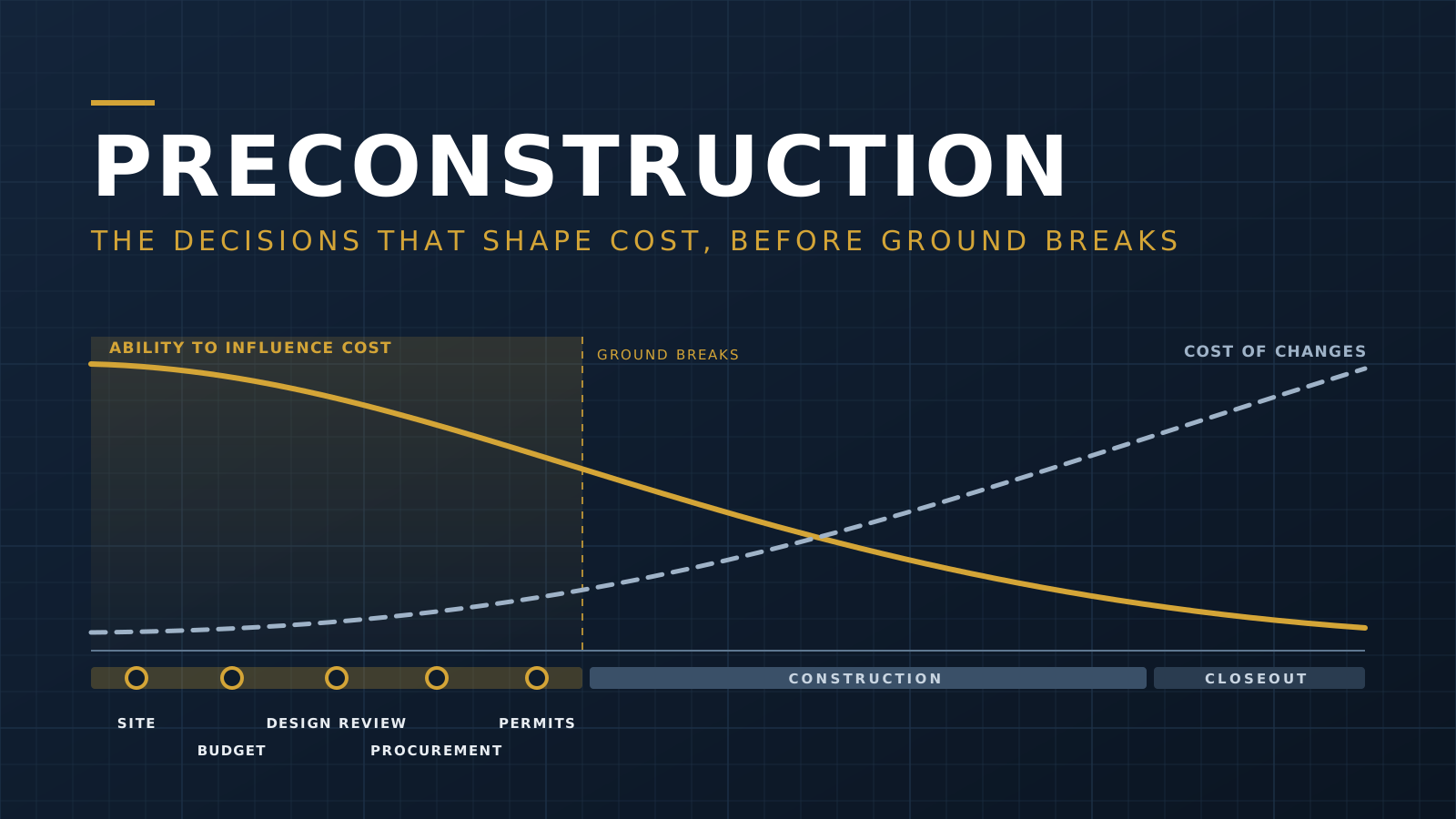
Most restaurant construction problems are pre-construction problems discovered late. The three biggest are soil conditions, utility capacity, and entitlements.
A geotechnical investigation tells you what your foundation is sitting on. Poor soils mean deeper foundations and costs that weren't in the original budget. Do the geotech before you commit to the site. Utility capacity is a common blind spot — QSRs need substantial gas and electrical service, and extending service to the property line can take six months or more. Entitlements set your real start date. Drive-through permits require conditional use approvals that take 30 days in some markets and nine months in others. Drawing construction documents before entitlements are secured is spending money on a project that may not be buildable as designed.
Design and Prototype Adaptation
Franchise prototype drawings are a starting point, not a finished product. A licensed architect adapts them to your site — setbacks, orientation, utility entry points, parking geometry, ADA compliance — and the franchisor approves the result before construction documents are finalized. A design-build delivery model can compress this phase significantly by keeping the design and construction teams under one contract from day one.
The kitchen is where design gets technical. Equipment locations drive MEP design. Underground plumbing and conduit are placed before the slab is poured based on those locations, which means equipment plans and MEP drawings must be coordinated before construction starts. Changes after the slab is down mean cutting concrete.
Proprietary branding elements — tile, flooring, menu board systems — come from approved vendor lists and carry 12 to 16 week lead times. These fall under the project's FF&E scope and need to be ordered when construction documents are finalized. Waiting until construction is underway puts your opening date at risk.
Permitting and Inspections
Restaurant construction triggers reviews from multiple agencies on different timelines: building department, health department, and fire marshal at a minimum. Health department review focuses on kitchen equipment specifications, food storage, and surface materials. Fire suppression systems must comply with NFPA 96 and pass a separate inspection before occupancy. Certificate of occupancy requires every agency to sign off, and getting inspection calls sequenced correctly is a coordination task that belongs to your general contractor.
Construction Sequence and Costs
Ground-up QSR construction typically runs 16 to 24 weeks from permit issuance to CO. The critical path runs through MEP rough-in and kitchen equipment installation. Site work and foundation come first, then structural framing, then MEP rough-in — the longest and most coordination-intensive trade phase. Interior finishes follow MEP inspections, and kitchen equipment is set and commissioned in the final weeks.
Hard construction costs run $250 to $450 per square foot, depending on market and complexity. A 2,500-square-foot restaurant carries a hard cost of $625,000 to $1,125,000 before land, soft costs, and equipment. Kitchen equipment adds $150,000 to $350,000. Soft costs — architecture, engineering, permitting — typically run 10 to 15 percent of hard costs. Site work is the variable that catches developers off guard; geotech done during due diligence is the best tool for understanding that exposure early.
Kitchen Equipment and Commissioning
Kitchen equipment is the most common cause of delayed openings. Franchise-approved commercial fryers, combi ovens, and refrigeration units routinely carry 12 to 20 week lead times. Equipment not ordered when construction documents are finalized will not arrive in time.
Commissioning — starting up, testing, and calibrating every piece of equipment — takes two to five days and should happen at least a week before your soft opening. Franchise brands require a brand rep inspection before you can open. Plan for commissioning. Don't treat it as a formality.
Choosing the Right Contractor
Not every commercial GC is equipped for restaurant construction. Health department coordination, kitchen exhaust systems, grease interceptors, and franchise brand approvals are specialties built through repetition. Ask how many restaurants of your specific brand a contractor has built. Ask for references from restaurant operators — and ask specifically whether the opening date was met.
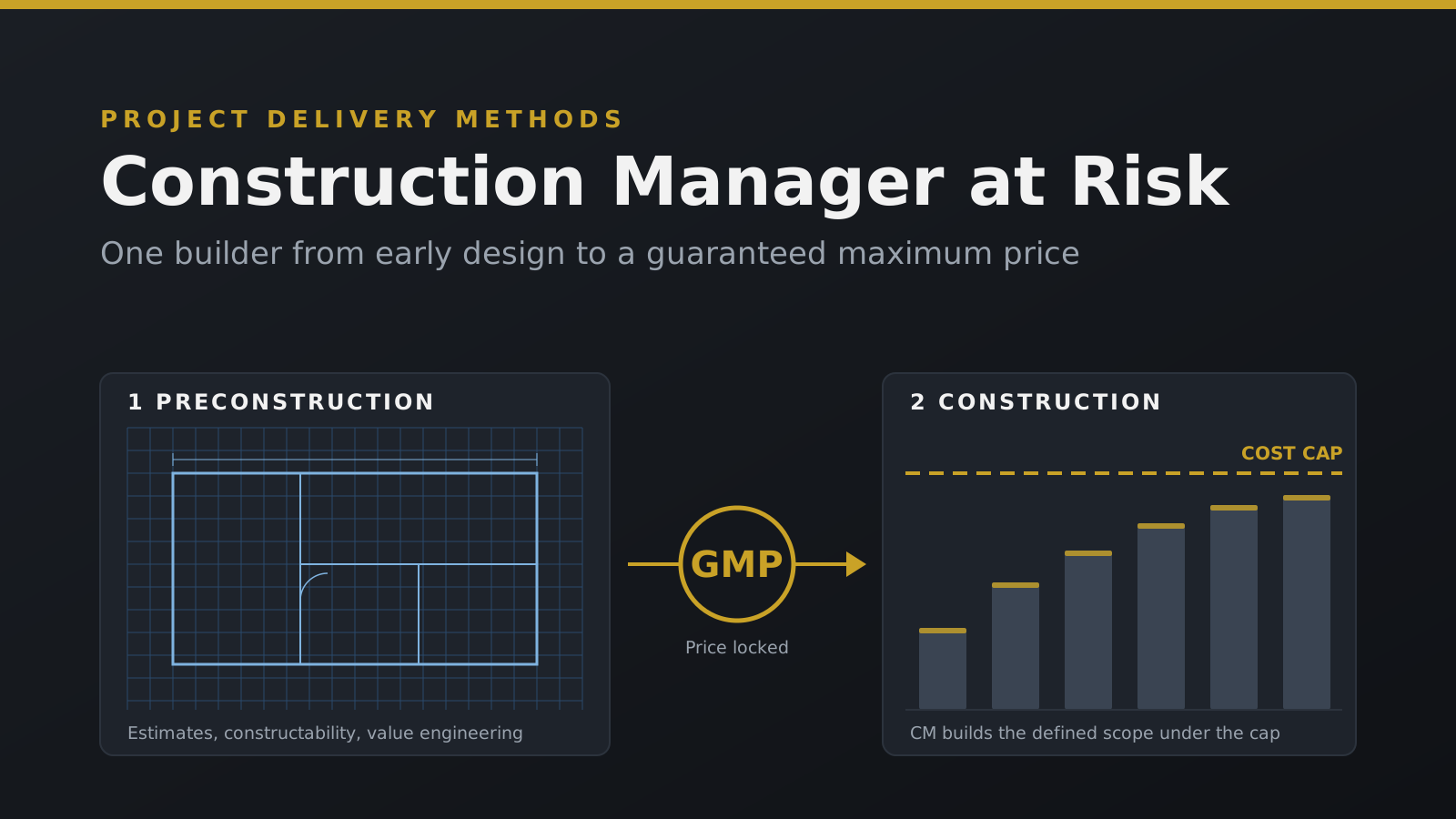
Construction management can be a particularly effective delivery method for multi-unit franchise developers — it gives operators direct cost visibility and tighter control over equipment procurement and scheduling across multiple simultaneous builds. Preconstruction services matter here more than on most project types. A contractor who helps you sequence equipment orders and coordinate with the health department before construction starts is managing risk that would otherwise show up as schedule slippage at the worst possible time.
Ground-up restaurant construction has too many moving parts to hand off to a GC who's learning the process on your project. Stonehenge Construction Services has built QSR and fast-casual restaurants across the Southeast — and we know what franchise brand approvals, health department timelines, and kitchen equipment lead times actually look like in practice. Contact us or call 404.697.0209 to talk through your build.